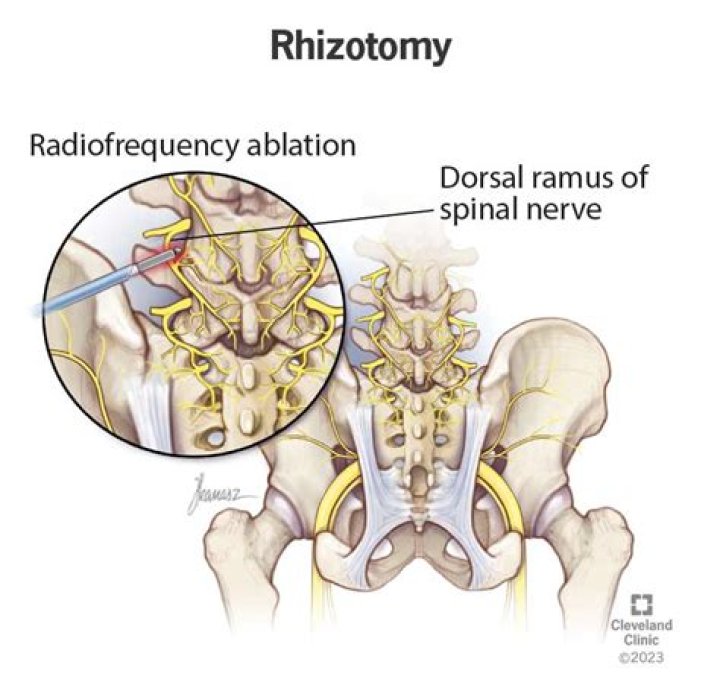
To remove the brain, an incision is made in the back of the skull from one ear to the other. The scalp is cut and separated from the underlying skull and pulled forward. The top of the skull is removed using a vibrating saw. The entire brain is then gently lifted out of the cranial vault.
Do they remove your brain during an autopsy?
Throughout the autopsy, the pathologist records everything on a body diagram and in recorded verbal notes. If a complete internal examination is called for, the pathologist removes and dissects the chest, abdominal and pelvic organs, and (if necessary) the brain.
Are eyes removed during autopsy?
More than with many other organs, it is important to remove the eye rapidly at autopsy (or surgery), and to fix it promptly. The adnexa must therefore be separated rapidly from the globe in order to permit adequate penetration of fixative.
Why do they remove the brain for an autopsy?
At the time of death, all tissue rapidly begins to degrade. In order to ensure the greatest research and diagnostic value for the brain tissue, it is essential that it is removed as quickly after death as possible.How long does a brain autopsy take?
The exam usually takes 1 to 2 hours. Many times, experts can figure out the cause of death in that time. But in other cases, you might have to wait until a lab can do more tests to look for signs of drugs, poisons, or disease.
Is the brain removed during embalming?
Excerebration is an ancient Egyptian mummification procedure of removal of the brain from corpses prior to actual embalming.
What do morticians do with the brain?
Most bodies in funeral homes tend to be prepared the same way, even if they’re going to be cremated rather than buried. The body is injected with the preservative formaldehyde in a hidden place, either under the armpit or in the groin. The formaldehyde is then pumped into all areas of the body, including the brain.
What organs are removed during autopsy?
These include the intestines, liver, gallbladder and bile duct system, pancreas, spleen, adrenal glands, kidneys, ureters, urinary bladder, abdominal aorta, and reproductive organs. To remove the brain, an incision is made in the back of the skull from one ear to the other.What is the first cut made to the body during an autopsy?
the y incision is the first cut made , the arms of the y extend from the front if each shoulder to the bottom end of the breastbone , the tail of the y extends from sternum to pubic bone , and typically deviates to avoid the navel.
How is a full autopsy performed?First, a visual exam of the entire body is done, including the organs and internal structures. Then, microscopic, chemical, and microbiological exams may be made of the organs, fluids, and tissues. All organs removed for examination are weighed, and a section is preserved for processing into microscopic slides.
Article first time published onHow is the head examined during an autopsy?
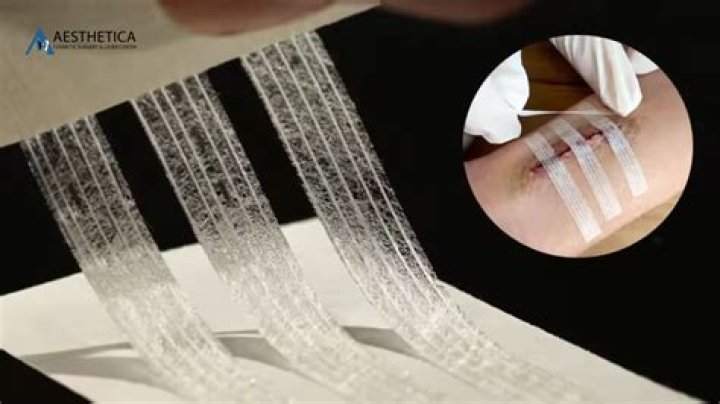
To examine the brain, an incision is made from behind one ear, over the crown of the head, to a point behind the other ear. When the autopsy is completed, the incision can be neatly sewn up and is not noticed when the head is resting on a pillow in an open casket funeral.
How can you tell if someone has an autopsy?
A good place to start is with the medical examiner’s office or website. Contact the medical examiner’s office to ascertain what form is required to request a copy of the autopsy report. In most cases, the request will need to be in writing and may need to be made on a county form.
Are the organs removed during embalming?
The pathologist removes the internal organs in order to inspect them. … The organs will be placed in plastic bags before being placed back in the body, which is then sewn closed. Since the organs were preserved and placed in plastic, no additional cavity embalming is needed.
Do bodies sit up during cremation?
While bodies do not sit up during cremation, something called the pugilistic stance may occur. This position is characterized as a defensive posture and has been seen to occur in bodies that have experienced extreme heat and burning.
How do morticians put a body in a casket?
How they place a body in a casket depends on the equipment available to those handling the task. At some funeral homes, they use machines to lift the body and place them into caskets. At other funeral homes, trained staff members simply lift the body and carefully place it.
Do they put organs back after autopsy?
At the end of an autopsy, the incisions made in the body are sewn closed. The organs may be returned to the body prior to closing the incision or they may be retained for teaching, research, and diagnostic purposes.
Which two organs are not weighed during an autopsy?
All the internal organs are examined for injury and disease and weighed. They Intestines and stomach are not weighed. The pathologist drains the intestines in a sink to remove any undigested food and feces that remain.
Why do they weigh organs during an autopsy?
The weight of internal organs is important in forensic medicine and pathology, because the weight of internal organs is useful in determining whether the organ is normal or pathological. … The change in the weight of an internal organ can be used in interpreting the opinion regarding the cause of death during an autopsy.
What are the 5 manners of death?
The classifications are natural, accident, suicide, homicide, undetermined, and pending. Only medical examiner’s and coroners may use all of the manners of death.
What is a brain autopsy?
Brain autopsy is the process of analyzing a person’s brain after death to determine with certainty whether or not the donor had Alzheimer’s disease and/or another form of dementia.
What are the 3 levels of an autopsy?
- Complete: All body cavities are examined.
- Limited: Which may exclude the head.
- Selective: where specific organs only are examined.
How soon after death is an autopsy performed?
A pathologist can obtain much more information from a freshly deceased body, and hospital-based autopsies are usually performed within 24 hours of a person’s death to minimize the effects of decomposition.
Where is a body stored before an autopsy?
The body is received at a medical examiner’s office or hospital in a body bag or evidence sheet. If the autopsy is not performed immediately, the body will be refrigerated in the morgue until the examination. A brand new body bag is used for each body.
Can I obtain a coroner's report?
The Coroner or Coroner’s Officer will give you the cause of death found by the pathologist at a coroner’s post mortem examination. … If you want a written copy of the full report you need to ask the coroner’s officer or to write to the Coroner concerned and they may charge a fee.
Do they drain your blood before cremation?
Draining a body of fluids does not happen before cremation. If a body is embalmed before cremation, the bodily fluids are exchanged (drained, and then replaced) with chemicals during the embalming process. … But the body is not drained prior to cremation, whether or not an embalming has taken place.
Why do bodies look different at funerals?
Because they aren’t alive. Alive, you are constantly in motion — head, shoulders, limbs, toes — and the eyes of others adjust to that motion, making you look larger than your actual body. When you are still in death, you will appear “smaller than life.” Also, your living flesh is filled out by blood pressure.
How long will a body stay preserved in a casket?
By 50 years in, your tissues will have liquefied and disappeared, leaving behind mummified skin and tendons. Eventually these too will disintegrate, and after 80 years in that coffin, your bones will crack as the soft collagen inside them deteriorates, leaving nothing but the brittle mineral frame behind.
Which part of body does not burn in fire?
The bones of the body do not burn in fire. Why do the bones not burn in fire? For the burning of bone, a very high temperature of 1292 degrees Fahrenheit is required. At this temperature also, the calcium phosphate from which the bones are made will not entirely turn into ash.
Which part of the body does not burn during cremation?
You don’t get ash back. What’s really returned to you is the person’s skeleton. Once you burn off all the water, soft tissue, organs, skin, hair, cremation container/casket, etc., what you’re left with is bone.
Why do they bury six feet under?
(WYTV) – Why do we bury bodies six feet under? The six feet under rule for burial may have come from a plague in London in 1665. The Lord Mayor of London ordered all the “graves shall be at least six-foot deep.” … Gravesites reaching six feet helped prevent farmers from accidentally plowing up bodies.