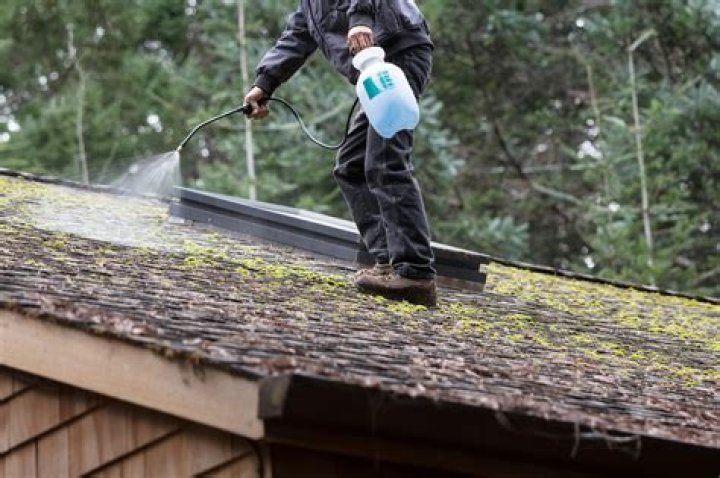
When the sawfly is detected early, insecticidal soap or horticultural oil is an effective control. In large plantings, chemical controls may be required. When the sawflies are larger, one of the contact or systemic insecticides registered for control may be needed.
How do I get rid of dogwood sawfly larvae?
- Cultivate around trees and shrubs in the early spring and again in the fall to help reduce the overwintering population.
- Wash slugs off leaves with a strong jet of water from the Bug Blaster; larvae may also be sprayed with Safer® Soap.
- Apply food-grade Diatomaceous Earth for long-lasting protection.
What does a dogwood sawfly look like?
Dogwood sawflies, Macremphytus tarsatus, are slender, shiny black, wasp-like insects. Dogwood sawflies emerge from May to July. Females insert up to 100 eggs in a leaf using a “saw-like” ovipositor. Each egg causes a small bump that eventually turns brown.
What product kills sawfly?
The combination of Insecticidal Soap and Botanical Pyrethrins will kill Sawfly Larvae on contact if they are spotted in your trees. Azadirachtin is also an effective control for Sawfly Larvae.What does a dogwood sawfly turn into?
The dogwood sawfly is a black wasp-like insect with white antennae. The species is often confused with being caterpillars, but they eventually pupate to become adult sawflies. Dogwood, during its larvae state, is covered with white powder.
What's in insecticidal soap?
What Exactly Is Insecticidal Soap? The active ingredients in insecticidal soap are potassium salts of fatty acids (also known as soap salts), which are created when the chemical compound alkali mixes with the fatty acids found in natural oils, including castor oil, coconut oil, and olive oil.
How do I get rid of sawfly larvae naturally?
Organic Soap Spray Since the larvae are soft-bodied, a homemade spray made of 4 tablespoons of organic soap in a gallon of water will help get them off plants. The stickiness will impede their ability to move and the film left by the soapy water will kill sawfly by means of suffocation.
What do sawflies turn into?
Life Cycle of Sawflies All ants, bees, wasps and sawflies have a complete life cycle of four stages, egg, larva, pupa and adult. The larva is a worm-like immature that eats and grows until it forms a pupa and transforms to the adult stage (the way a caterpillar changes into a butterfly).How do you control sawflies?
Handpicking may be the only control measure you need to control light infestations. Sawflies have several natural enemies that keep them in check, including predatory beetles, parasitic wasps, and viral and fungal diseases. Avoid using broad spectrum insecticides that will damage the beneficial insect population.
How do I get rid of Mallow sawfly?The best time to control sawflies is early in their larval stage. The natural insecticide spinosad will control sawfly larvae. Conventional insecticides such as malathion are also effective. Bt (Bacillus thuringiensis), which is an effective natural control for true caterpillars, is ineffective on sawfly larvae.
Article first time published onWhat caterpillar eats dogwood?
Dogwood sawflies are caterpillar-like wasp larvae that feed on tree leaves. Their appearance changes as they develop. Partly grown larvae appear to be covered with a white, chalky powder. When full grown, they are cream-colored with a shiny black head and black spots.
What caterpillar eats red twig dogwood?
sericea (Redosier dogwood or redtwig dogwood) is listsed as a larval host for Celastrina ladon (Spring azure). It seems its caterpillar has at least two forms—both green and pinkish—depending on what it is feeding. The sawfly larvae (Macremphytus tarsatus) is reportedly a significant pest on dogwood (Cornus) species.
Are sawflies bad?
The truth is that, although these little critters are not exactly harmful to humans nor their pets, sawfly damage can be severe in terms of host plants. Typically, gardeners or farmers will encounter sawflies in the larvae form. This is when they are at their most destructive to plants.
What is eating my dogwood tree?
The dogwood borer is the most noteworthy pest of the tree. Larvae live in the cambium layer and their travel and eating damage the flow of nutrients and water. Often branches can die. Numerous scale insects are dogwood tree pests.
Why is my red twig dogwood dying?
Red twig dogwood canker disease often wilts plant parts on trees that appear healthy in every other way. Leaves wilt in response to the infection existing within the branch. Home gardeners should look for branches that appear darker than usual, dying bark and cankers. … The disease leads to dieback of affected branches.
Why are the leaves on my dogwood curling?
Leaf curl on dogwoods is essentially a protective reaction to stress the tree feels. Rather than keep its leaves flat and susceptible to burning in the summer sun, dogwoods curl their leaves to minimize leaf surface area and thus minimize any damage they might receive.
How do you keep sawfly caterpillars away?
- If numbers of larvae are too high for hand picking, control may be achieved by spraying with pesticides. …
- Organic contact insecticides containing natural pyrethrins (e.g. Bug Clear Gun for Fruit & Veg, Neudorff Bug Free Bug and Larvae Killer).
Does neem oil work on sawfly?
Insecticidal soap or horticultural oil kill exposed sawfly larvae but may damage blossoms. Neem Oils will stop eggs from hatching and larvae from developing if you spray neem directly on them. … Spinosad sprays can be used as directed to control sawfly larvae.
How do I identify a sawfly?
One way to distinguish between them is by counting the number of prolegs (the back legs). Sawflies have more than 6 sets, while caterpillars have fewer than that. Sawflies never get longer than 25 mm (1 inch), while caterpillars can span the palm of an adult’s hand.
Do you rinse off insecticidal soap?
Insecticidal soap is generally effective after just a few minutes. Although you do not have to rinse off the soap after using it, it might be beneficial for you to do so. However, you shouldn’t rinse right away.
How often should I spray my plants with soapy water?
Spray once a week (or for more serious infestations, every 4 days) for 4 weeks until you see improvement. Any more or longer than that, and you risk leaf injury, as the soap will remove all the natural oils and waxes that protect the leaf, and thus remove the plant’s natural defenses against pests and diseases.
How do you make insecticidal soap with Murphy's Oil Soap?
To one gallon of warm water, add 1 Tablespoon of Murphy’s Oil Base Soap. Shake to combine. Pour into spray bottles. Spray your plants.
How long does a sawfly live?
About Sawflies The adults live for about two weeks, during which time they mate before the females start laying eggs into plant tissue. Eggs are inserted into cuts on the leaf surfaces that the female makes with her saw-like ovipositor.
Do sawflies Swarm?
Pest description and damage Sawflies are members of the Symphyta (horntails and sawflies), a subgroup of the Hymenoptera (ants, bees and wasps). … The adults are small, black, slow-flying insects that swarm in considerable numbers around host plants in the sun, but the adults do not harm plants.
How is neem oil used for plants?
Neem oil insecticide works as a systemic in many plants when applied as a soil drench. … The compound causes insects to reduce or cease feeding, can prevent larvae from maturing, reduces or interrupts mating behavior and, in some cases, the oil coats the breathing holes of insects and kills them.
What is horticultural oil made of?
Horticultural oils are derived from either petroleum or plant material. Mineral oils are petroleum-based while vegetable-based oils are derived from oil seed crops such as soybeans, canola or cottonseed. The two most common horticultural oils contain refined mineral-based paraffin and olefin.
What do sawflies look like?
Appearance. Size: Sawfly adults are about 1/2 inch long. Characteristics: Sawflies may look like flies, but are actually related to bees and wasps. The common name sawfly comes from their ovipositor, which is saw-like in shape and is used by the females to cut into the plants and lay eggs.
Do Adult sawflies eat?
The adults feed on pollen, nectar, honeydew, sap, other insects, including hemolymph of the larvae hosts; they have mouth pieces adapted to these types of feeding. Sawflies go through a complete metamorphosis with four distinct life stages – egg, larva, pupa and adult.
How do you prevent dogwood anthracnose?
Keep your dogwoods healthy by improving water retention with mulch and using a slow-release fertilizer. Your arborist may recommend foliar fungicide treatments to help control dogwood anthracnose. To protect your current dogwoods from anthracnose, never transplant wild dogwoods into your landscape.
What is a dogwood borer?
The dogwood borer, Synanthedon scitula, one of about seven borers that attack dogwoods, is the most serious. It also attacks flowering cherry, chestnut, apple, mountain-ash, hickory, pecan, willow, birch, bayberry, oak, hazel, myrtle, and loquat.
Do sawflies turn into butterflies?
The adult stage of sawfly larvae is a type of fly related to wasps and bees. Hence, they do not turn into moths and butterflies.