For the best taste, beet greens should be cut fresh, when you are ready to use them. Using a sharp knife, cut one or or two of the outer leaves from each plant, slicing through the stem an inch or two above the soil level. … As more leaves grow, you can continue to harvest the greens in this way.
When can you cut beet greens?
After about three weeks of growth, or when the plants reach at least 6″ tall, identify the largest, outer leaves. Work around the plants to pinch off these large leaves, taking about a quarter to a third of the total plant material.
Should I prune beetroot?
The roots can be harvested at any size that suits you, from ‘baby’ beets up to chunky tennis ball size. Don’t leave them in the ground for too long though, as they can become tough and woody. … Don’t cut the leaves off or trim the roots, or they will ‘bleed’ and make a terrible mess!
Will beets grow if tops are cut off?
If you want to harvest beet greens before the roots are mature, snip just one or two leaves from each plant, leaving the inner leaves intact. The beet roots will continue to grow beneath the ground. If you cut back all the leaves, the beet roots might not grow adequately.Is it OK to eat raw beet greens?
The greens and the stems are edible, and make a great substitute for any green such as spinach, swiss chard, and bok choy. … They can be steamed, sauteed, braised, added to soups, and eaten raw. They’re yummy and full of vitamins, so don’t waste them!
Can you let beets grow too long?
The roots can be harvested at any size that suits you, from ‘baby’ beets up to chunky tennis ball size. Don’t leave them in the ground for too long though, as they can become tough and woody.
Are beet greens bad for kidneys?
Raw Swiss chard, spinach, and beet greens are preferable to cooked greens to avoid too much potassium. However, moderate your intake of these foods, as they’re also high in oxalates. Among sensitive individuals, oxalates can increase the risk of kidney stones ( 40 ).
How tall should beets be before thinning?
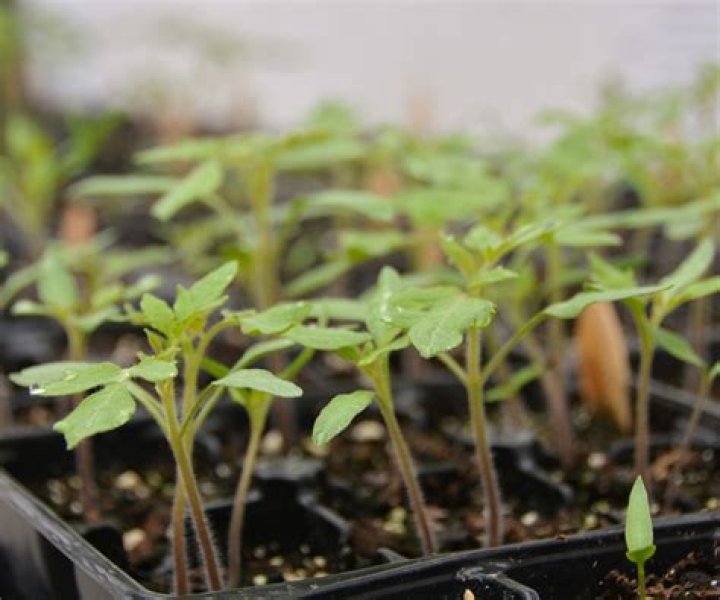
ANSWER: Thin beet seedlings when they are three to five inches tall. Go ahead and cut down the entire portion of the seedling that is above ground.Should you cut beet leaves?
Just remove any yellowing leaves to allow the plant to expend all its energy into producing new sprouts as well as leaves. As to the question “do you have to trim Brussels sprouts?” Well, no, but you will be extending the harvest and production of the plant if you trim back any dying leaves.
Are mature beet greens edible?They’re also 100% edible! This root’s magenta or golden yellow bulbs usually get all the love. But next time you remove the veggie’s long, lush green leaves, don’t toss them into the compost! Not only are beet greens good for you, but they taste incredible when properly cooked.
Article first time published onWhat part of the beet greens do you eat?
Beet greens are the scarlet stems and the green leaves attached to them. They are completely edible and have a flavor like Swiss chard (and many other dark greens) but sweeter.
How do you know when beets are spoiled?
Changes in texture. Fresh beets are very firm to the touch (I always check beets for firmness when buying). When they start to get a bit softer, you should use them within a day or two, tops. If the beets are limp, mushy, or soft, it’s time for them to go.
What happens if you leave beets in the ground too long?
What happens if you leave beets in the ground too long? During warm months, the beets will continue growing and the beetroot will eventually get too large, which can result in a tough, less sweet root that sometimes splits open.
What should you not do when pruning?
- No Flush Cuts. One of the most common pruning mistakes is the flush cut. …
- No Stub Cuts. Stub cuts are the opposite of flush cuts; they leave a protruding branch stub long enough that the branch collar cannot grow over it. …
- No Lion Tailing. …
- No Heading Cuts. …
- Use the 3-Cut Method.
How do you maintain beetroot?
Beetroot prefer a position in full sun. They will grow in light shade, but avoid areas that get no direct sun at all. Improve the soil by digging in well-rotted compost – avoid manures and other fresh soil improvers as they can lead to bolting (going to seed early) or the roots not developing correctly.
Can you eat too many beet greens?
Spinach, Beet Greens, and Swiss Chard Consume too much and you may be in for unpleasant symptoms such as kidney stones, abdominal pain, low blood pressure, tremors or convulsions, vomiting, and weak pulse.
Which is better for you beet greens or spinach?
Both spinach and beets are high in dietary fiber and potassium. Spinach has 15.1 times less sugar than beet. Spinach has more thiamin, riboflavin, niacin and Vitamin B6, however, beet contains more pantothenic acid. Spinach is a great source of iron.
Which greens should not be eaten raw?
Eating raw cruciferous vegetables, such as cauliflower, kale, broccoli, Brussels sprouts, and cabbage. “Certain people cannot eat them because they contain sugars that are superhard to digest,” says Mashru.
What happens if you eat beets everyday?
Beets are highly nutritious and loaded with health-promoting properties. They can support the health of your brain, heart, and digestive system, be a great addition to a balanced diet, boost athletic performance, help alleviate inflammation, and possibly slow the growth of cancer cells.
What color is urine when your kidneys are failing?
Brown, red, or purple urine Kidneys make urine, so when the kidneys are failing, the urine may change. How? You may urinate less often, or in smaller amounts than usual, with dark-colored urine. Your urine may contain blood.
Why are beets bad for you?
Risks of beets Risks of overconsumption include: Increased risk of kidney stones: Since beets are high in the compound oxalate, eating too many can contribute to kidney stone formation. Beeturia: With beeturia, urine may turn pink or red. Additionally, stool may become discolored.
What should not be planted next to beets?
- Broccoli.
- Brussels sprouts.
- Bush beans.
- Cabbage.
- Cauliflower.
- Chard.
- Kohlrabi.
- Lettuce.
Do beets grow back every year?
Beets are biennial plants grown as annuals. They are grown for their swollen roots and also for their leaves.
Do beets overwinter?
Beets. Overwintered beets are the candy of the vegetable garden (except they’re way better for your health). … Plant a little more densely than the seed packet or plant tag recommends, protect them with mulch, harvest small beets and beet greens all winter, and then watch the remaining plants take off in the spring.
Can you cut damaged leaves?
You can cut out damaged leaves along with misplaced plant shoots. … All you have to do is cut out the dead leaves, but don’t leave small snags that will die back. If the dead leaves are located at the top of the shoot, you will best remove them by using sharp scissors and cutting the stem back to its base.
Are beets hard to cut?
Fresh beets add vibrant color to many dishes, but they’re also nutrition-packed and taste great. When it comes to cutting them, a sharp knife is required to easily cut through the dense beetroot.
Can you replant thinned beets?
You may be able to transplant some of the seedlings if you are careful not to disturb the roots too much when you move them. … If you wait until your beet, rutabaga, and turnip greens are a few inches tall before you thin them, you can eat them, baby roots included.
How do you know when beets are ready to be picked?
When the diameter of the roots reach 1-3 inches, you know your beets are ready to be picked. Your beets should be deep in color and medium in size. Smaller beets tend to taste better while larger beets tend to have a woodier taste. Water the ground a few days before harvest to loosen up the soil.
Are beet greens healthier raw or cooked?
Are beet greens healthier raw or cooked? In most cases, the healthy nutrients of beet greens are consumed, as long as they aren’t overcooked. “Like most vegetables, some nutrients may get lost in the cooking process, but cooked beet greens can still provide a great source of nutrients,” Mathis says.
Do beets make you poop?
Drinking beet juice or eating boiled beets can offer quick relief from constipation, as beets are high in the fibres that are essential for the smooth movement of the digestive waste through the intestines.
Can you eat beet greens with holes?
Fortunately, there’s good news! Greens with holes in them that were created by feeding insects or slugs should be fine to eat, if you cut away the damaged parts. However, there are times when you do want to avoid produce that has been damaged by the local wildlife.