Air plants are usually tiny, easy to grow, and they don’t need soil. As the name implies, air plants absorb nutrients and water from the air through scales on their leaves. They’re having a moment as houseplants because they’re easy to care for and don’t need much light to thrive.
Are air plants good for beginners?
Tillandsia ionantha is one of the most common air plants that are great for beginners and people with busy lifestyles. … These plants also love good misting, but not deep watering sessions. You can dunk the plant in water for 10 minutes and shake off excess once a week in summer.
Are air plants high maintenance?
This means that if you’re putting your air plant where it will receive loads of light, you should plan to mist it more often – twice a week or even daily. A sunny bathroom makes a happy home for an air plant, because the humidity from your shower will take care of most plant misting for you.
Are air plants low maintenance?
Unlike other plants, air plants don’t need soil to grow. … For those of you born without a green thumb, don’t worry, air plants are incredibly low maintenance. All they need is a good misting of water every few days, bright light, and air circulation.Do air plants need a lot of sun?
ost air plants do not do well with direct or full sun. Because they require indirect light, air plants make great office plants as long as they get some light, either indirectly from a window source, or artificially from full spectrum fluorescent lights.
Where do you put air plants?
Air plants do best with at least a few hours of bright, indirect sun daily. Placement within 1 to 3 feet of an east- or west-facing window, or within a foot or two of an artificial light source is ideal. If you keep them well watered, they can have hotter, more direct sun and longer exposure.
What is the lifespan of an air plant?
Tillandsias, commonly known as air plants, are perennial plants. This means that they typically live for more than two years (source), with their lifespan ranging between 2 to 5 years.
Do air plants get bigger?
Do Air Plants Grow Bigger? If your air plant is a pup (baby air plant) then it will grow to full size depending on its species. As stated above, air plants range in size from two inches to seven feet so research your variety to find out more about how big it will grow.What are the benefits of air plants?
Air plants are also perfect plants to display in your bedroom because they photosynthesize at night. So while you are sleeping, they emit fresh oxygen into the air. Being among plants can help reduce stress, lower blood pressure, and improve focus at home or work.
Can air plants live in sand?> You don’t need soil for your air plants to thrive, so no need to include it here. In fact the majority of air plants should NOT be planted in soil. You can easily layer moss, sand, or rock to create variation and texture in your terrarium.
Article first time published onWhat is the hardest plant to grow?
- Cultivation: it’s grown unlike any other plant. …
- Access: one wasabi farmer said it took 6 years simply to get access to viable seeds.
- Temperment: too much humidity or the wrong nutrient composition can wipe out an entire crop of finicky wasabi.
What plant needs the most attention?
- Calathea (Calathea spp.) 1/20. …
- Zebra Plant (Aphelandra squarrosa) 2/20. …
- Azalea (Rhododendron spp.) …
- Orchid (Orchidaceae) …
- Wandering Jew (Tradescantia zebrina) …
- Boston Fern (Nephrolepis exaltata) …
- Elephant Ear (Alocasia spp.) …
- Weeping Fig (Ficus benjamina)
What do you do with air plants when they arrive?
As soon as your box arrives, open it and show your plant a bit of love! Give it a drink with some water (chlorine-free if possible) for about an hour. Tap water is generally fine. Afterwards, give your plants a gentle shake to free any water and then it’s time to set them aside to dry.
Can air plants survive in a bathroom?
Air Plant. Air Plant or Tillandsia makes great bathroom plants because they can soak up the humidity. … To keep your air plants happy and healthy, place them in a spot with bright, indirect light and high humidity. Make sure to provide proper air circulation since this is how they absorb nutrients and water.
How long do air plants live indoors?
With over 650 different species, these plants survive without soil. Depending on the species and growth conditions provided to the plant, a single air plant may live for a few months to a couple of years.
Can I soak my air plants overnight?
If your air plant is ever looking ‘thirsty’ or like it’s struggling, you can soak them in water (in a bowl or sink) for several hours or overnight. This can often help to revive your tillandsia. When watering your tillandsia, rainwater or pond water are best.
Do air plants have babies?
On average, air plants will create 1 to 3 pups after the blooming process. Some varieties can product many, many more. Separating Pups from the mother plant: You can gently remove offsets from the mother plant when they grow to be about 1/3 the size of the mother.
Can air plants be glued?
Glue: We don’t usually recommend using glue to attach air plants to something because it makes it harder to water and care for your plants. It can be done though! When using glue, you can use a plant safe glue, such as E6000, which is also waterproof.
Do air plants get pests?
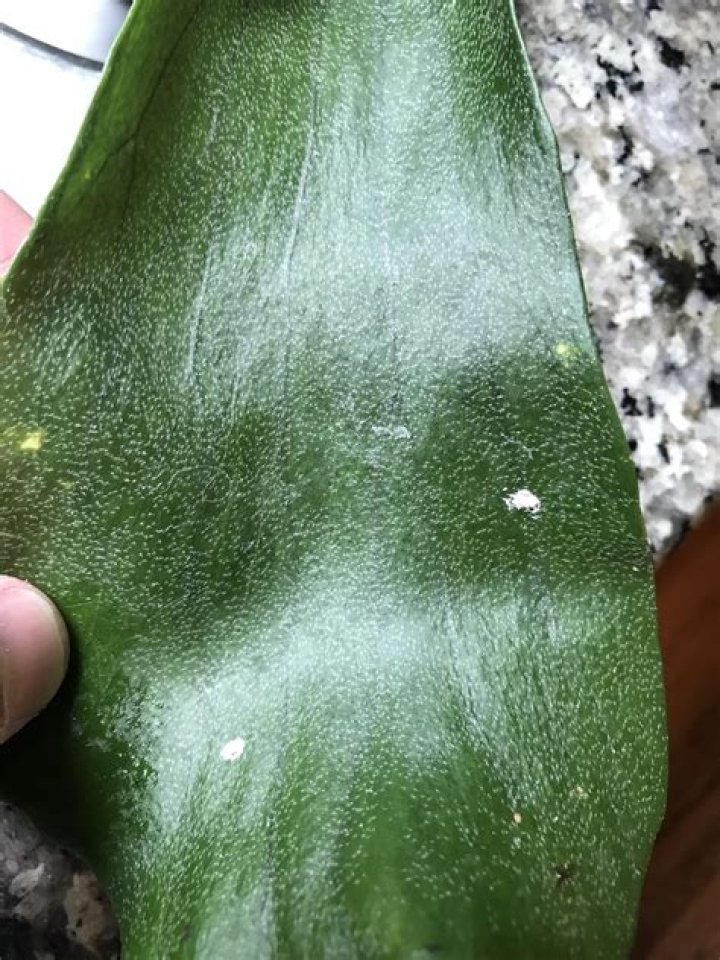
While air plants don’t have soil which rules out a lot of pests and issues that pests can cause, they can sometimes be susceptible to them. The most common pests that plague air plants are mealy bug, and scale. If an air plant is infested with mealy bug it will have a waxy cotton like substance on its leaves.
How do I know if my air plant is healthy?
Tip: Watch your plants’ leaves for clues on whether they are thirsty or not. Curly leaves are drier and a healthy white fuzz actually means your plant is healthy, not necessarily drying out. Brown leaf tips and a general shriveled appearance are other clues you are under-watering.
What conditions do air plants like?
Since air plants absorb moisture through their leaves, they prefer warm, humid conditions. Most homes are not humid enough for air plants, especially in the winter months. So, caring for air plants means keeping the plants regularly watered. The diversity of air plants is amazing!
Are air plants good house plants?
As the name implies, air plants absorb nutrients and water from the air through scales on their leaves. They’re having a moment as houseplants because they’re easy to care for and don’t need much light to thrive.
Do air plants give off oxygen?
Plants make their food in a process called photosynthesis. … Once they have water and carbon dioxide, they can use energy from sunlight to make their food. The leftovers from making the plant food is another gas called oxygen. This oxygen is released from the leaves into the air.
Is an air plant a succulent?
Air plants are not the same as succulents. Succulents are plants with puffy or juicy parts, while air plants are a specific genre with spiky leaves. The most significant difference is that air plants absorb their nutrients from the air and spray watering, but succulents live and feed on the soil.
Is my air plant dying?
If they remove easily, they are dead. If the whole plant falls apart when you do this, you’ve got a dead air plant that has already bit the dust, unfortunately. However, if only a few leaves come off and the inside leaves are green and healthy-looking, your air plant is going to make it with the proper care!
How often should you spray air plants?
How often to mist air plants? In this case, mist the plants 3 to 7 times a week, depending how dry your home air is and what time of year. Summertime plants need more water while they can sustain on less in winter.
Can you plant air plants in rocks?
Air plants will grow on bushes, rocks, and shrubs. Other epiphytes include orchids (which grow on tropical trees) and many kinds of ferns.
How often do you soak air plants?
Soak your air plants in a bowl of water for 20 minutes to an hour every week to 10 days is best. Submerge the entire plant. If your plant has a bloom, you may wish to keep the bud above the water to not disturb it, although in nature they get wet all the time.
What is the easiest house plant to take care of?
- monstera. Adaptable to almost all light conditions, and somewhat drought tolerant, the Monstera is a low maintenance, stunning tropical plant. …
- sansevieria. …
- zz plant. …
- spider plant. …
- philodendron heartleaf. …
- hedgehog aloe.
What is the easiest plant to take care of?
- Aloe. Aloe doesn’t need a lot of watering. …
- Lavender. Lavender is beautiful and hearty. …
- Mother in laws tongue/snake plant. Snake plant or mother in law’s tongue is stylish and robust. …
- Spider plant. …
- Peace Lily. …
- Succulents. …
- Cactus. …
- Heart leaf Philodendron.
What is the easiest plant to grow?
- Snap Peas. Snap peas are a quick-growing early crop. …
- Sunflowers. These sunny flowers are a must for a child’s garden. …
- Radishes. Radishes are super fast growers. …
- Marigolds. These hardy little flowers can take rough handling and still keep going. …
- Cherry Tomatoes. …
- Pumpkins. …
- Carrots. …
- Potatoes.